
Growing environment
Hilly and forest-growing areas support cassia production across Vietnam.
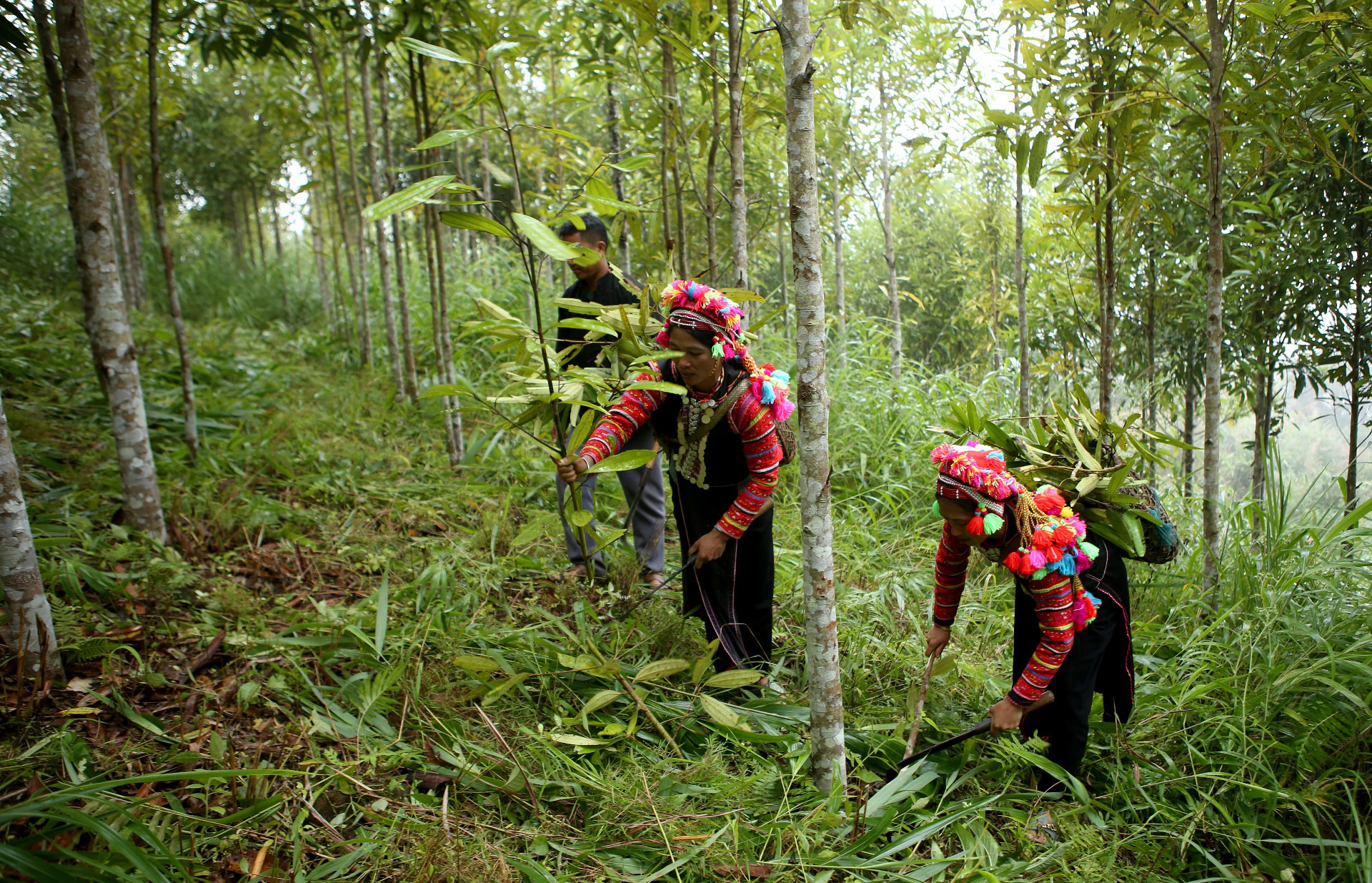
Vietnamese cassia grows across northern and central Vietnam. Buyers value it for its strong aroma, warm sweetness, and many useful forms.
Cassia growing area · VietCassia field photo
Cassia grows for years on hills and forest land. Tree maturity, harvest timing, and local handling help shape the bark you receive. Leaves and branches may also be used for oil.
Hilly and forest-growing areas support cassia production across Vietnam.
Tree age and harvest stage help shape the bark available for commercial use.
Bark is the main product. Leaves and branches may also support oil production.
Local experience guides when the bark is harvested, dried, and prepared.
Origin can affect bark form, aroma, harvest timing, and available volume. Ask for source and lot information for each order.

Northern cassia and Quảng Nam cassia are not presented as the same source. Ask for a sample and lot specification before choosing.
Yên Bái · Lào Cai
Established growing areas with several commercial bark forms. Available quality, volume, and organic status are confirmed by source and lot.
Trà My · Quảng Nam
A separate central Vietnam origin with its own local growing and processing context. It is quoted as Quảng Nam or Trà My origin when available.
Bark appearance · aroma · moisture · volatile-oil target · product form · certification · price
Vietnamese cassia is known for a full aroma and a warm, sweet, slightly pungent taste.
A strong character for spice blends, drinks, tea, bakery, and food production.
Vietnamese cassia can offer a strong volatile-oil profile. Each lot must be tested.
A warm, sweet, and slightly pungent profile that remains clear in many applications.
Available as split bark, sticks, chips, powder, or material for extraction.
Final aroma, oil, moisture, size, and cleanliness depend on the crop, processing, and lot.
Whether the lot is conventional or organic, each order still needs a clear specification and lot information.
Growing conditions matter, but harvest, drying, sorting, and packing also shape the cassia a buyer receives.
Trees develop over years in mountain and forest-growing areas.
Bark is removed at the right stage, then gathered for drying.
The bark curls as it dries, then it is sorted or cut into the required form.
The lot is reviewed against the order before packing and shipment.
Tell us the product form, quality, supply type, volume, packing, and destination. We will review the source and available documents for your requirement.